Ebenezer Amankwa’s-Minkah calls for Infrastructure-Led and Inclusive Growth to Sustain Ghana’s Currency Stability
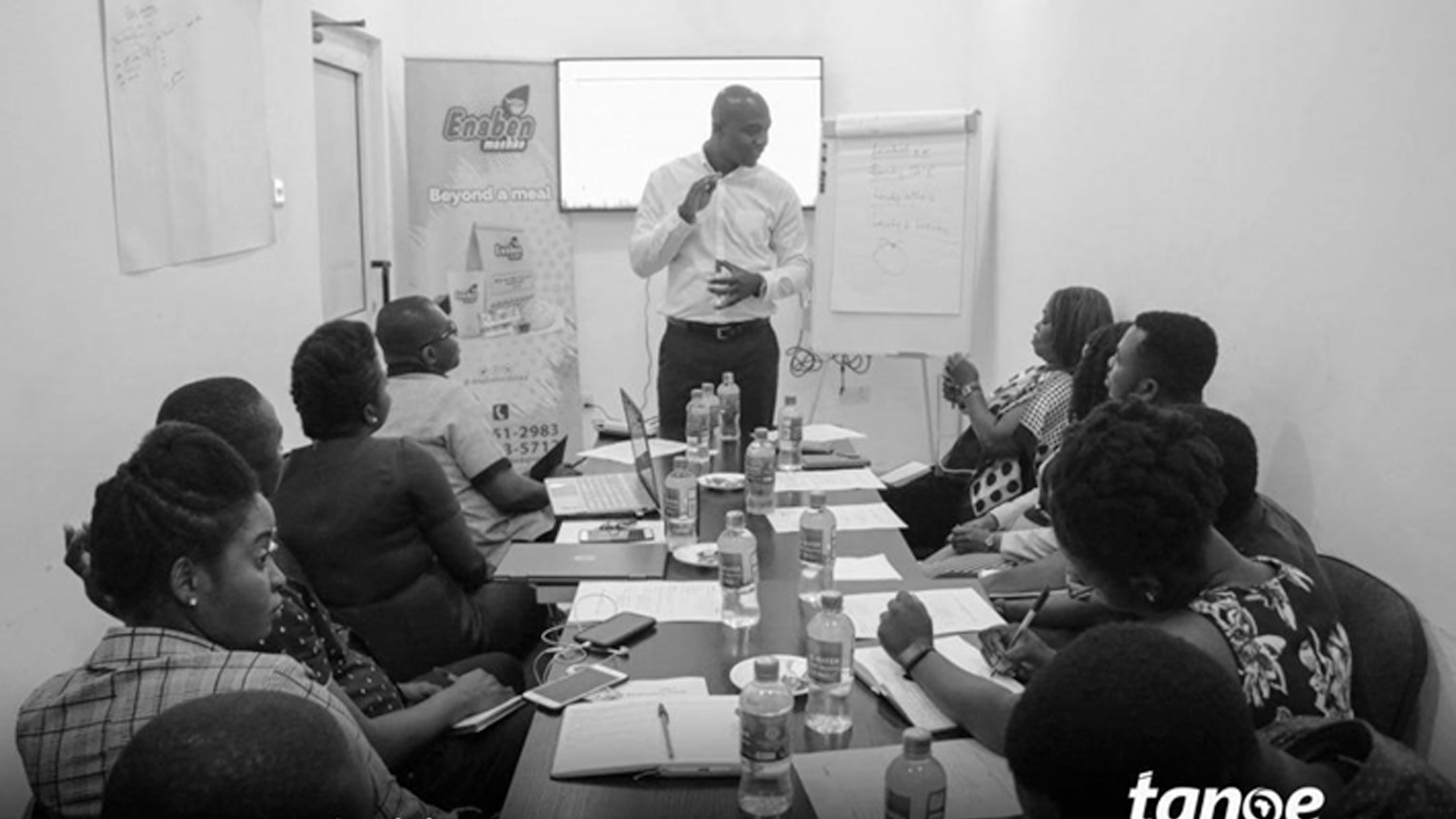
Accra, Ghana [November 3, 2025] Economist and Executive Director of the Center for Economic Research and Policy Analysis (CERPA), Ebenezer Amankwah-Minkah, has called for Ghana to leverage its recent macroeconomic stability as a foundation for deeper structural transformation driven by infrastructure investment and inclusive growth.
He made this call during a panel session at the 14th Ghana Economic Forum (GEF), held on October 29, 2025, at the Kempinski Hotel Gold Coast City, Accra. The Forum, organized by the Business & Financial Times (B&FT), explored the theme “Currency Stability: A Reset for Sustainable Economic Growth.”
Mr. Amankwah-Minkah noted that Ghana’s recent economic gains – including improved currency performance and fiscal stability – must not be seen as endpoints but as opportunities to strengthen the real economy.
“Currency stability must serve as a bridge to long-term transformation,” he said. “Sustainability depends on how well we channel macroeconomic gains into building productive capacity, competitive industries, and resilient livelihoods.”
He emphasized that strategic infrastructure development – particularly in energy and digital systems – remains central to sustaining investor confidence and driving productivity.
“A stable cedi can only be maintained when anchored by real economic activity supported by reliable infrastructure,” he stated. “That is how we transition from temporary stability to enduring growth.”
Mr. Amankwah-Minkah further highlighted the need to better integrate Ghana’s informal sector – currently employing more than 86 percent of the workforce, according to the Ghana Statistical Service – into the formal economy. He noted that true macroeconomic resilience cannot be achieved without deliberately including the informal economy in Ghana’s policy reset.
“The informal sector is not a side economy; it is the economy for most Ghanaians,” he emphasized. “Bringing it into the mainstream requires more than regulation – it demands access to finance, training, and protection.”
He proposed a multi-dimensional approach that would include:
- Expanding access to affordable credit for small and micro enterprises to scale operations and increase productivity.
- Providing market information and digital platforms that connect informal traders to formal supply chains.
- Designing tax and registration systems that are simple, transparent, and incentivize voluntary compliance.
- Extending social protection programs – such as pensions, insurance, and safety nets – to informal workers to build security and resilience.
“When informal entrepreneurs can access finance, training, and social protection, they become the foundation of formal economic growth,” he added. “Inclusion is not charity – it’s strategy.”
Mr. Amankwah-Minkah also urged policymakers to prioritize value addition and export diversification, warning that continued dependence on raw commodities such as cocoa, gold, and unprocessed agricultural products limits Ghana’s long-term competitiveness.
“Our economic reset must focus on producing high-value goods that meet global standards,” he said. “This is how we build resilience, create quality jobs, and sustain currency gains over time.”
He concluded by affirming CERPA’s commitment to advancing evidence-based policy dialogue and economic innovation in Ghana and across Africa.
“At CERPA, we believe that stability should lead to transformation. Our mission is to shape policy conversations that help economies move from recovery to resilience, and from growth to genuine prosperity,” he noted.
Now in its 14th edition, the Ghana Economic Forum remains one of the country’s most influential platforms for shaping national policy conversations, bringing together leaders from government, business, academia, and civil society to chart pathways for inclusive growth.
- End –
About CERPA
The Center for Economic Research and Policy Analysis (CERPA) is a Ghana-based think tank dedicated to advancing evidence-based policymaking and inclusive economic transformation. Through rigorous research, strategic dialogue, and thought leadership, CERPA helps shape policies that drive Africa’s sustainable growth and prosperity.
Find out more about CERPA at www.cerpagh.com